Heat Treatment as the Ultimate Solution for Bed Bugs: Importance and Key Advantages
Bed bugs have turned into a recurring problem in numerous homes, resulting in considerable distress and worry. Conventional pest control approaches frequently prove inadequate, permitting resistant groups to remain. Heat-based treatment provides a powerful option, successfully eliminating every life cycle of bed bugs in one treatment. This technique not only removes infestations but also manages health and environmental factors. Exploring the specifics of heat treatment explains why it distinguishes itself from other pest control methods. What sets it apart as such a reliable solution?
The Enduring Issue of Bed Bugs
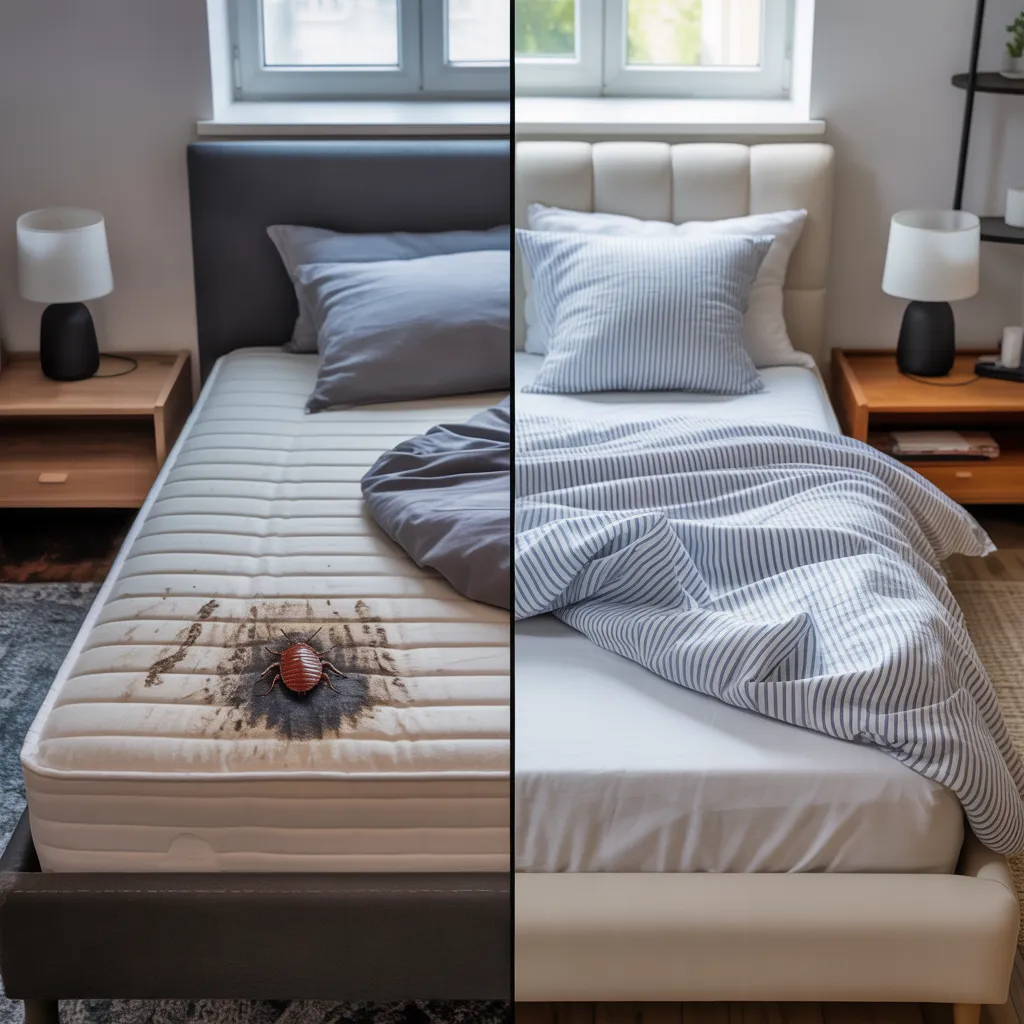
While bed bugs were once nearly eliminated, they have experienced a notable comeback in recent years, becoming a persistent problem for many homes and commercial establishments. These tiny, reddish-brown insects are notorious for their ability to multiply rapidly and thrive in different settings. Their comeback is primarily linked to increased global travel, enabling them to travel undetected on bags and garments.
After they invade an area, bed bugs prove challenging to remove, frequently necessitating expert assistance. These pests are night-dwelling insects that survive on human blood, causing distress and unease among those impacted. A bed bug infestation can also damage a company's reputation, particularly in the hospitality industry, where the comfort of guests is of utmost importance. Despite their small size, the impact of an infestation can be significant, leading to financial loss and emotional distress, highlighting the critical importance of prompt and effective solutions.
How Does Heat Treatment Get Rid of Bed Bugs?
Heat treatment effectively eradicates bed bugs by exposing them to elevated temperatures they are unable to survive. Generally, temperatures ranging from 120°F to 140°F are used to ensure total eradication. When bed bugs are subjected to these elevated temperatures, their biological processes are compromised, causing dehydration and ultimately proving fatal.
Heat permeates multiple items, including mattresses, furniture, and carpets, guaranteeing that even hidden bed bugs and their eggs are eliminated. This method is highly efficient because it eliminates all stages of life of bed bugs, from larvae to mature adults.
In contrast to chemical treatments, which can leave residues behind and require multiple applications, heat treatment delivers a faster and more effective solution. Furthermore, it does away with the need for dangerous chemical agents, making it a healthier alternative for households and environments, particularly those with children or pets. In summary, heat treatment emerges as an effective and thorough strategy to bed bug eradication.
Major Benefits of Heat Treatment for Bed Bug Extermination
Eliminating bed bugs using heat treatment offers several benefits that make it superior to standard pest control solutions. A key advantage is its effectiveness; heat treatment can eradicate all life stages of bed bugs, including egg stages, in a one session. Unlike chemical treatments, which typically demand multiple treatments and can create resistant colonies, heat treatment delivers dependable results.
Moreover, the treatment is quick, often requiring only a brief period to achieve eradication, permitting residents to re-enter their premises rapidly.
Heat treatment is also non-invasive, as it does away with the need for chemical residues, making it suitable for sensitive environments such as homes with children or pets. Furthermore, it decreases the chance of reinfestation, as comprehensive heating can penetrate valuable resource furniture and walls, eliminating hidden bugs. Altogether, these benefits make heat treatment a superior option for effective bed bug eradication.
Environmental Advantages of Heat Treatment
Heat-based treatment for bed bugs presents an alternative free of chemicals compared to traditional pest control methods. This method not only effectively eliminates infestations but also considerably reduces harmful waste connected to chemical treatments. Therefore, it presents a more environmentally friendly option for handling pest concerns.
Eco-Friendly Pest Control
More and more homeowners are looking for effective pest control solutions that prioritize environmental safety. Heat treatment emerges as a chemical-free alternative that thoroughly removes bed bugs without relying on harmful pesticides. This technique uses high temperatures to penetrate furniture, carpets, and walls, ensuring thorough pest elimination. By opting for heat treatment, homeowners can protect their families and pets from the possible health hazards associated with chemical residues. Moreover, this environmentally conscious method reduces the environmental impact often linked to traditional pest control methods. With heightened attention to sustainability, heat treatment presents a practical choice for those dedicated to maintaining a safe and healthy living environment while efficiently addressing pest infestations.
Eliminates Toxic Waste
Choosing heat treatment for bed bug eradication significantly minimizes chemical waste associated with traditional pest control approaches. In contrast to chemical sprays and pesticides, which often leave behind harmful residues, heat treatment utilizes high temperatures to thoroughly destroy bed bugs and their eggs without introducing hazardous materials into the environment. This approach not only reduces the risk of chemical exposure to humans and pets but also promotes a healthier ecosystem. As heat permeates furniture and walls, it provides thorough pest elimination without the need for supplementary toxic substances. As a result, adopting heat treatment complements eco-friendly practices, encouraging sustainability while preserving public health. By embracing this solution, individuals can effectively contribute to reducing their environmental footprint while successfully addressing bed bug problems.
What Can You Expect During Heat Treatment?
During bed bug heat treatment, proper preparation is essential to guarantee safety and effectiveness. Homeowners can expect to follow detailed guidelines before the treatment begins, as well as engage in a post-treatment follow-up to track outcomes. Being aware of these steps can improve the overall outcome and efficiency of the bed bug treatment.
Pre-Treatment Preparation
Before undergoing heat treatment for bed bugs, homeowners should be thoroughly prepared to confirm the process is effective. The preparation process involves removing all items from the treatment area, such as clothing, toys, and electronics, to prevent damage from high temperatures. It is also essential to clear clutter, as this promotes improved airflow and confirms that heat reaches all concealed areas effectively. Homeowners should thoroughly vacuum to get rid of any visible bugs and their eggs, carefully sealing the vacuum bag once finished. Additionally, pets should be moved to a safe location temporarily to ensure their safety. Finally, it is essential to discuss any particular concerns or areas of infestation with the heat treatment specialists, providing a precise and thorough strategy to resolving the bed bug issue.
Post-Treatment Follow-Up
Once adequate preparation is complete, homeowners can anticipate a detailed process during the heat treatment for bed bugs. The treatment usually spans several hours, during which specialized equipment raises the temperature in affected spaces to a temperature that eliminates the pests. Technicians monitor the environment closely to confirm even heat distribution, reaching all possible hiding locations. Following treatment, it is critical for homeowners to avoid reintroducing items until the treated space has cooled down completely. A post-treatment inspection may be scheduled to validate the eradication of bed bugs. Homeowners should continue to be watchful for any evidence of a comeback and can contact specialists for additional measures if required. This proactive approach improves the lasting efficacy of the heat treatment.
How to Prepare Your Home for Heat Treatment
Preparing for heat treatment is essential to enhance its efficacy against bed bugs. Homeowners should begin by decluttering rooms, taking items off floors, and ensuring that areas are available to the technicians. It is recommended to wash and dry clothing, bedding, and curtains on high heat to destroy any concealed bugs or eggs. Furniture should be shifted away from walls, and electric outlets should be freed up to facilitate ideal heat distribution.
Additionally, pets need to be moved for their protection, and plants should be either relocated or shielded. Residents should also remove any perishable food items from the area to avoid contamination. It is imperative to alert the heat treatment professionals about any individual concerns, such as prior infestations or delicate items. Following these preparatory steps not only assures a complete treatment process but also maximizes the potential for complete bed bug extermination.
Commonly Asked Questions
How Much Time Does Heat Treatment Usually Take to Finish?
Bed bug heat treatment generally needs between six to eight hours to finish. The duration may vary depending on how severe the infestation is and the treated area's size, guaranteeing ideal temperature reaches all affected spots.
Can Heat Treatment Be Safely Used Around Pets and Children?
Thermal heat treatment is commonly safe for pets and children when conducted properly. Experts ensure that the surroundings are closely observed, minimizing risks. However, it is recommended to keep pets and children away during the thermal treatment process for added safety.
Will Heat Treatment Cause Damage to My Furniture or Belongings?
Heat-based pest control typically does not harm personal items or furnishings when properly monitored. However, sensitive items like certain fabrics or electronics could be at risk. It is recommended to consult professionals for guidance tailored to your specific situation.
Will Heat Treatment Prevent Future Bed Bug Infestations?
Heat treatment successfully eradicates current bed bug infestations but does not guarantee prevention of future infestations. Regular observation and proactive strategies, including routine inspections and upkeeping cleanliness, are critical for sustained bed bug management.
How Much Does Heat Treatment Usually Cost?
Thermal treatment for bed bugs usually ranges from $1,000 to $2,500, based on the severity of the infestation and the size of the property. Elements including your location and selected service provider may further impact the final price.